Zero Carbon Bioethanol

You can't beat zero.
Made entirely from American-grown grain, POET's zero-carbon bioethanol is cleaner-burning, higher-octane alternative to traditional gasoline with zero lifecycle carbon emissions.
Bioethanol displaces petroleum in liquid fuels, reducing harmful emissions, improving American energy security, and growing domestic markets for farmers. The best part? This fuel of the future is being produced by POET at commercial scale today in the world's largest network of bioethanol facilities.
There's strength in numbers.
By partnering with more than 30,000 farmers to source grain, POET combines regenerative agriculture with advanced biotechnology to deliver a 100% American-made fuel that creates more jobs, less pollution, and zero carbon footprint.
See what it takes to get to zero—and why POET is trusted on the track as the official bioethanol partner of NASCAR.
POET's path to Zero Carbon
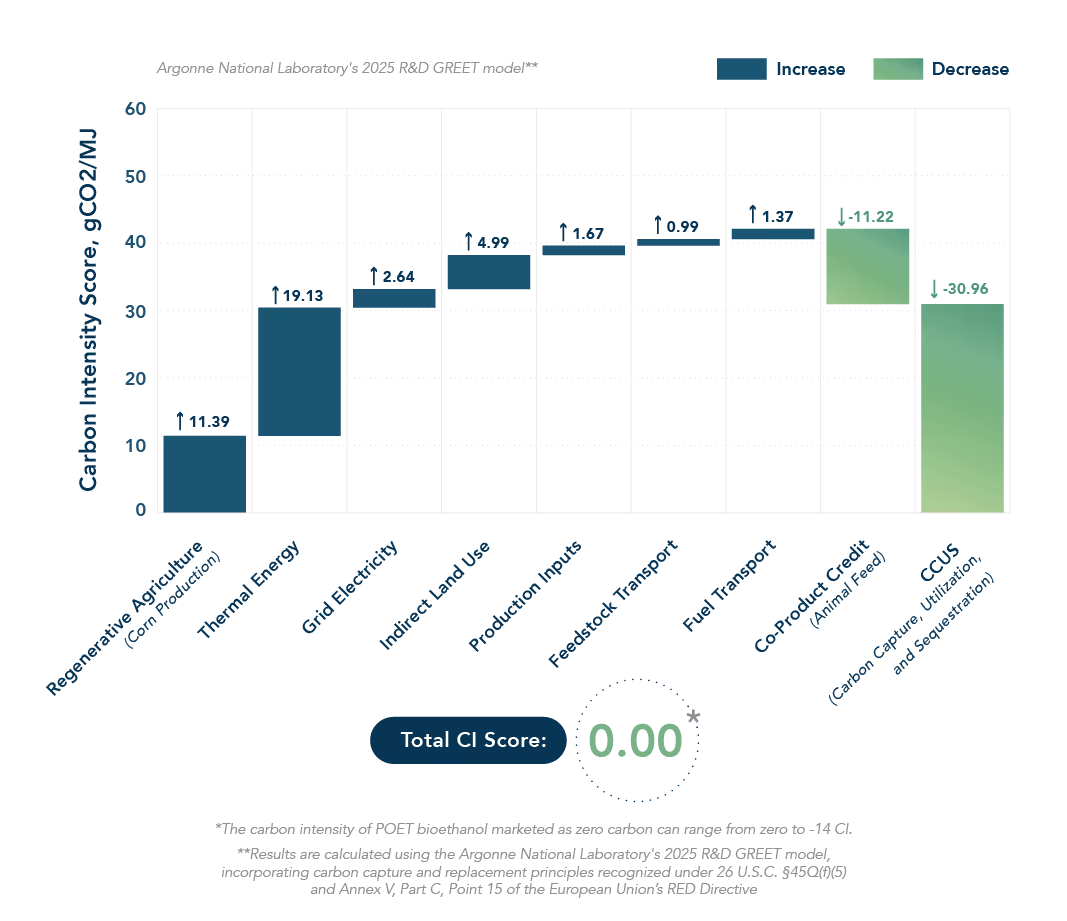
POET's path to zero-carbon bioethanol unfolds across three essential fronts: regenerative agricultural practices, advanced bioprocessing technology, and the capture and utilization of bioCO2. Together, these strategies steadily drive down the carbon intensity (CI) of POET's bioethanol. Using Argonne National Laboratory's GREET model, CI is calculated by examining the full lifecycle of bioethanol—from how the crop is planted, grown, and harvested to how it's transported, processed, and used—and assigning a score to the emissions at each step. The lower the total, the lower the carbon intensity. The chart below shows how POET's bioethanol achieves zero and beyond.
Regenerative agriculture matters